ترك رسالة
إذا كنت مهتمًا بمنتجاتنا وتريد معرفة المزيد من التفاصيل، فيرجى ترك رسالة هنا، وسوف نقوم بالرد عليك في أقرب وقت ممكن.
Waste plastic is a general term for plastic materials that have been used multiple times in civil, industrial, or other applications and are subsequently discarded or replaced. Because waste plastics take 500 to 1,000 years to decompose, they frequently cause large-scale environmental pollution. To solve the environmental problems caused by the proliferation of plastics, many countries have proposed strategies prioritizing reduction, focusing on recycling and reuse, and treating degradation as a supplementary recycling method. These principles and measures are driving the coordinated development of plastics and the environment.
Methods for Processing Waste Plastics:
1. Incineration Direct incineration of waste plastics produces massive amounts of black smoke and toxic, hazardous gases. Additionally, heavy metal compounds within the waste plastics are discharged alongside ash and incineration residues, causing severe environmental pollution.
2. Pyrolysis Pyrolysis features a simple process and mature technology. By treating waste plastics through pyrolysis, economically valuable products such as pyrolysis oil and carbon black are obtained. The pyrolysis process takes place in a closed environment, ensuring safety, stability, and environmental compliance.
3. Recycling and Regeneration The workflow for recycling and reusing waste plastics can be simply summarized as: Collection > Sorting > Shredding > Pelletizing > Modification > Categorized use as raw materials to process and manufacture various products. Direct recycling involves sorting, washing, shredding, and pelletizing waste plastic products for direct molding and processing. Modified recycling involves modifying the recycled material through physical or chemical methods (such as toughening, reinforcement, or grafting) before reprocessing and molding, which can be used to produce higher-grade plastic products.
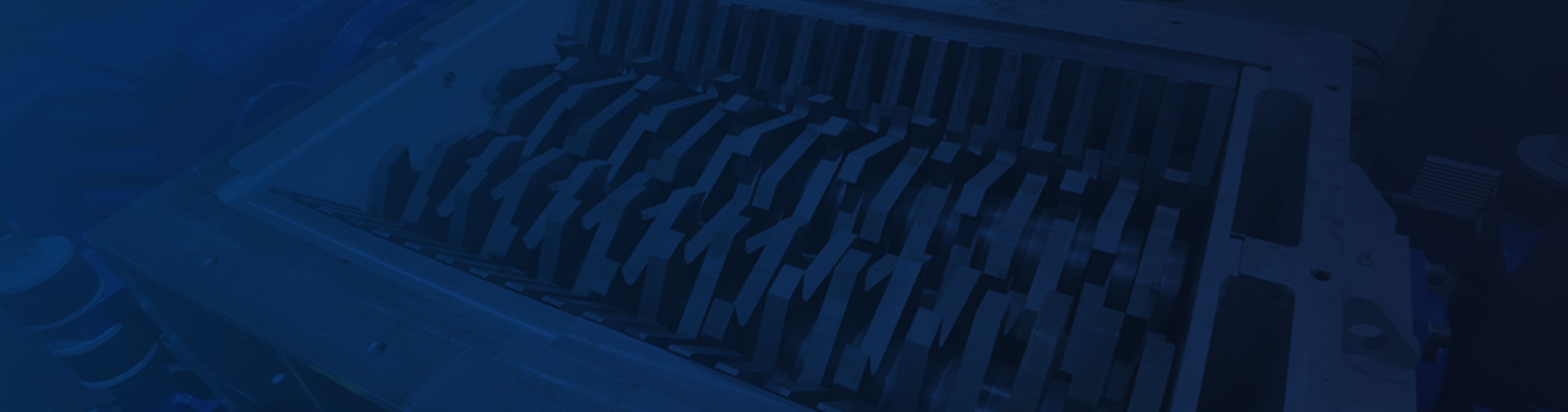
Whether waste plastics undergo incineration, landfilling, recycling, or pyrolysis, shredding is an essential step to improve the efficiency of subsequent processes. The waste plastic shredder, also known as an industrial waste shredder, is a specialized crushing equipment developed for the plastic recycling industry. It is designed to shred various soft and hard plastic products, facilitating plastic regeneration and treatment. By utilizing the mutual tearing and shearing action between cutter blades, the waste plastic shredder achieves the crushing purpose and can handle a wide variety of materials, meeting the waste recycling requirements of different industries.
Waste Plastic Shredding Process:
Piled plastic waste is fed into the feed inlet of the production line via a chain plate conveyor. It then passes through a feeding conveyor into the waste plastic shredder and magnetic separation unit, followed by secondary crushing (fine shredding machine), and finally undergoes final sorting to yield products of different categories. The entire production line is equipped with an intelligent control system, boasting a high degree of automation. It requires only 2 to 3 workers to complete the operation, saving material handling expenses and labor costs.
Six Performance Advantages of the Waste Plastic Shredder:
1. Integrated Cutter Box Design for Stability and Reliability The integrated cutter box undergoes annealing treatment after welding to ensure superior mechanical strength. Furthermore, CNC machining guarantees high processing precision, extending equipment service life and reducing maintenance costs.
2. Independently Detachable Stationary Blades with High Wear Resistance Each stationary blade can be independently detached and installed, allowing for rapid disassembly in a short time. This significantly reduces the workload for operators and improves production continuity.
3. Unique Cutter Design for Easy Maintenance and Replacement The cutter blades are made of imported alloy steel, offering a long service life, excellent interchangeability, and convenience for later maintenance and blade replacement.
4. High-Strength Main Shaft with Strong Fatigue and Impact Resistance The main shaft is crafted from high-strength alloy steel, subjected to multiple heat treatments and high-precision machining. It provides outstanding mechanical strength, robust resistance to fatigue and impacts, and a long service life.
The golden age of the recycled plastics industry has arrived. The automated waste plastic processing capability of GEP Ecotech's (or "Zongan Eco-Tech's") plastic shredding production line can save a significant amount of labor for global plastic processing, making the unified treatment of plastic waste no longer a challenge.





 شبكة IPv6 مدعومة
ترك رسالة
مسح ضوئي إلى WeChat :

مسح ضوئي إلى WhatsApp :